How to Recover SF6 Gas Using Compressed Gas Cylinder?
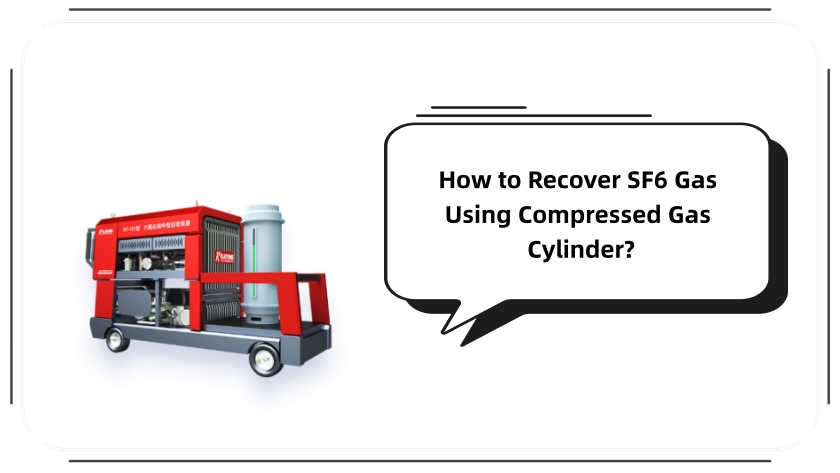
Sulfur hexafluoride (SF₆) is a vital insulating and arc-quenching gas used in high-voltage electrical equipment such as circuit breakers, switchgear, and gas-insulated substations (GIS). However, due to its extremely high global warming potential (GWP of 23,500), SF₆ must never be vented into the atmosphere. Instead, it must be safely recovered, stored, and recycled—often using specialized equipment like compressed gas cylinders designed for SF6 handling.
This article provides a clear, step-by-step explanation of how to recover SF6 gas using compressed gas cylinder, covering safety protocols, required tools, best practices, and regulatory compliance. Whether you’re a utility technician, substation engineer, or GIS service provider, this guide ensures you handle SF₆ responsibly and efficiently.
Why Recovery Matters: Environmental and Legal Imperatives
Improper disposal of SF6 contributes significantly to greenhouse gas emissions. Just 1 kg of SF₆ equals 23.5 tonnes of CO₂ in climate impact. Global regulations—including the EU F-Gas Regulation, U.S. EPA GHG Reporting Rule, and Kyoto Protocol—strictly prohibit intentional venting and mandate recovery during maintenance or decommissioning.
Using a compressed gas cylinder (also called a recovery cylinder) is the standard method for capturing used SF₆ in a closed-loop system. This not only protects the environment but also preserves a valuable asset—SF6 can be purified and reused, reducing operational costs.
Essential Equipment for SF6 Recovery Using Compressed Gas Cylinder
Before starting, ensure you have the following SF6-specific tools:
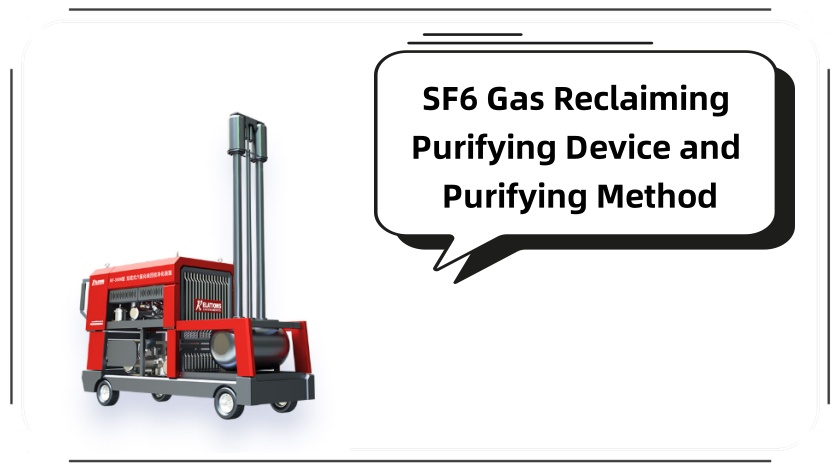
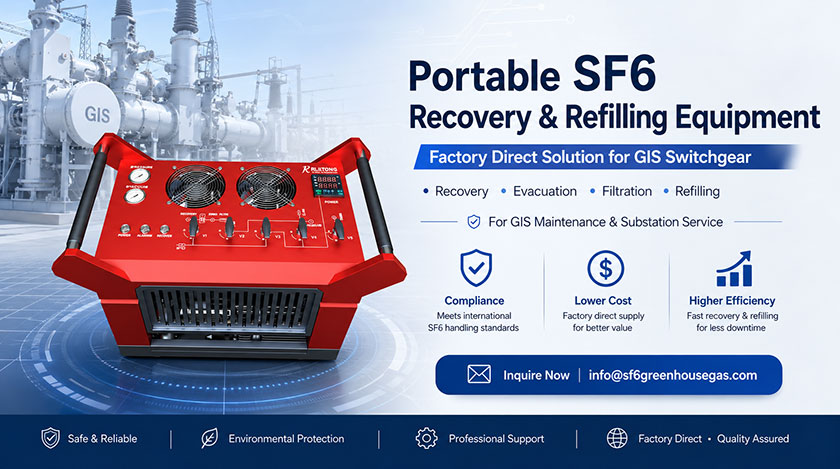
Dedicated SF6 Recovery Unit (Gas Cart)
Equipped with an oil-free compressor and high-vacuum pump
Capable of pulling down to ≤1 mbar absolute pressure
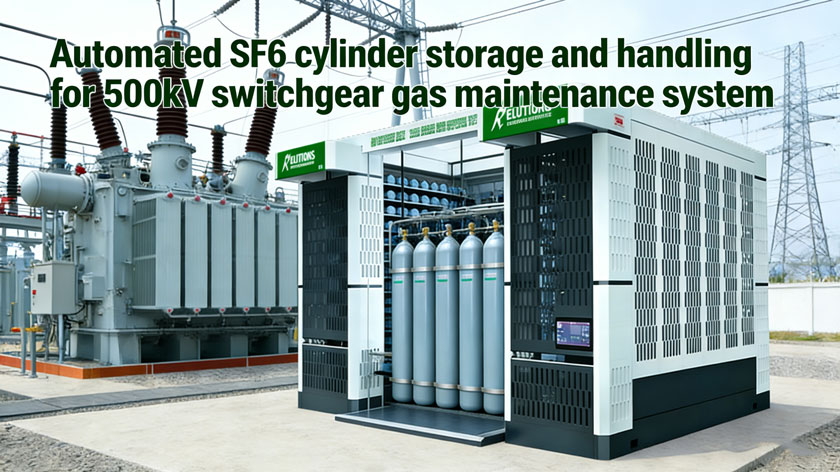
Compressed Gas Cylinder (Recovery Cylinder)
Must be DOT/ISO-certified, labeled “Used SF₆” or “For Recovery”
Equipped with a pressure relief valve and dual-valve system (liquid/vapor)
Never use cylinders previously containing other gases
SF6-Compatible Hoses and Fittings
Stainless steel or brass; no rubber or plastic that degrades
Self-sealing quick couplers to prevent leaks
Personal Protective Equipment (PPE)
Chemical-resistant gloves, safety goggles, and face shield
Respirator with acid gas cartridges if decomposition products are suspected
Gas Analyzer (Optional but Recommended)
To test purity before/after recovery (moisture, SO₂, air content)
⚠️ Never attempt recovery without a proper SF6 recovery unit. Simply connecting a cylinder to equipment will not extract gas effectively and risks incomplete recovery or backflow.
Step-by-Step: How to Recover SF6 Gas Using Compressed Gas Cylinder
Follow this standardized procedure to ensure safe, complete, and compliant recovery:
Step 1: Prepare the System
De-energize and isolate the SF6-filled equipment (e.g., circuit breaker).
Allow time for thermal stabilization (gas temperature affects pressure).
Verify there are no active faults that may have produced toxic byproducts (e.g., SO₂, HF).
Step 2: Connect the Recovery Unit
Attach one hose from the recovery unit to the equipment’s gas port.
Connect another hose from the recovery unit to the recovery cylinder.
Ensure all connections are tight and leak-free. Use leak detection spray if needed.
Step 3: Evacuate the Recovery Cylinder (If Required)
Some procedures require pre-evacuating the recovery cylinder to create a pressure differential.
Use the recovery unit’s vacuum pump to pull a vacuum (typically <500 mbar) on the empty cylinder before transfer.
Step 4: Start the Recovery Process
Turn on the recovery unit. The compressor draws SF₆ vapor from the equipment.
As pressure drops, SF6 may liquefy in the recovery cylinder—this is normal.
Monitor pressure gauges on both the equipment and cylinder.
Step 5: Achieve Deep Vacuum
Continue recovery until the equipment reaches ≤1 mbar (absolute).
This ensures >99% of SF₆ is removed—critical for environmental compliance and safe opening of compartments.
Step 6: Isolate and Disconnect
Close valves on both the equipment and recovery cylinder.
Shut off the recovery unit.
Carefully disconnect hoses, ensuring no residual gas escapes.
Step 7: Label and Store the Cylinder
Clearly label the cylinder:
“Used SF₆ – Contains Decomposition Products – For Recycling Only”Store upright in a dry, ventilated area away from heat sources.
Record the mass of recovered gas (use a scale) for inventory tracking.
Critical Safety Considerations
Asphyxiation Risk: SF6 is 5x denser than air and can accumulate in low-lying areas. Always work in well-ventilated spaces and use O₂ monitors in confined areas.
Toxic Byproducts: After electrical arcing, SF₆ breaks down into hazardous compounds. Test gas quality before handling and wear appropriate PPE.
Cylinder Integrity: Never overfill. SF6 expands with temperature—fill only to 80% of water capacity (WC) rating at 20°C.
No Cross-Contamination: Use dedicated cylinders only for SF₆—never repurpose refrigerant or nitrogen tanks.
What to Do After Recovery
Recovered SF6 should never be reused directly without analysis and purification:
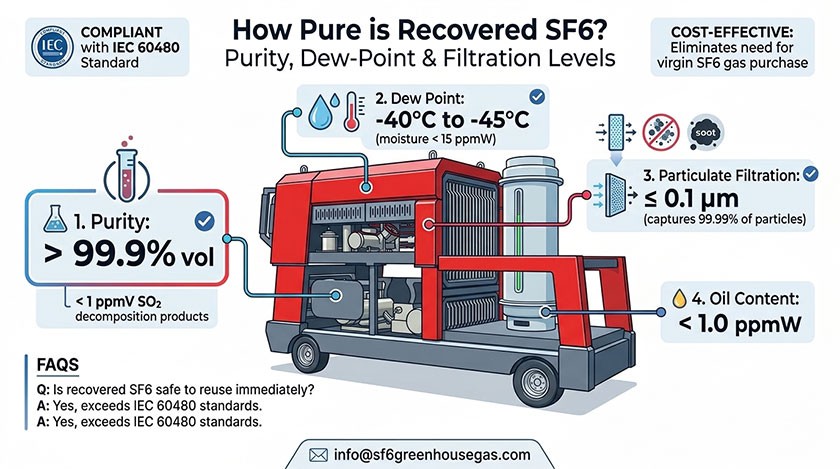
On-site recycling: Use integrated filters in your recovery unit to remove moisture and particles (meets IEC 60480 standards if purity is sufficient).
Off-site reclamation: Send heavily contaminated gas to a certified facility for distillation and purification to IEC 60376 (virgin-grade) quality.
Documentation: Maintain logs of recovered mass, equipment ID, date, and operator—required for EPA or F-Gas compliance audits.
Common Mistakes to Avoid
❌ Venting to “speed up” the process – Illegal and environmentally destructive.
❌ Using non-SF6-rated cylinders or hoses – Risk of leaks, contamination, or rupture.
❌ Skipping final vacuum – Leaves residual gas that can emit during maintenance.
❌ Ignoring gas analysis – Reusing contaminated gas damages equipment.
Conclusion: Responsible Recovery Is Non-Negotiable
Knowing how to recover SF6 gas using compressed gas cylinder is a fundamental skill for any professional working with high-voltage electrical systems. When done correctly—with the right equipment, training, and documentation—it ensures safety, regulatory compliance, cost savings, and environmental protection.
As global pressure mounts to reduce fluorinated gas emissions, utilities and service providers who master SF6 recovery will not only avoid penalties but also demonstrate leadership in sustainable grid operations. Invest in certified tools, train your team, and always follow closed-loop best practices—because every kilogram of SF6 recovered is a step toward a cleaner future.
Leave A Message
Your email address will not be published. Required fields are marked *
More Articles