SF6 Recovery and Treatment Equipment for Power Grids
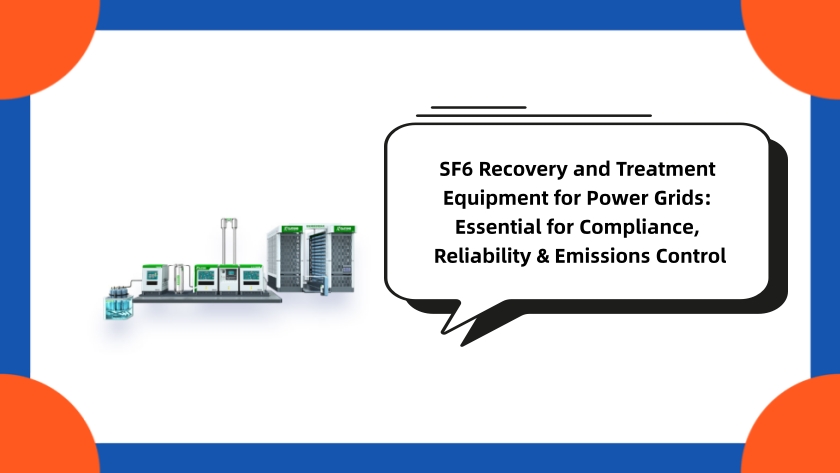
As power grids across Asia, Europe, and North America modernize with Gas-Insulated Switchgear (GIS), the need for responsible sulfur hexafluoride (SF₆) management has never been greater. With a global warming potential 23,500 times that of CO₂, SF₆ emissions are under intense regulatory and investor scrutiny. The solution? Professional SF6 recovery and treatment equipment for power grids—a proven, standards-compliant approach to gas handling that ensures safety, compliance, and sustainability.
Backed by field deployments in ASEAN transmission networks and aligned with IEC and EPA guidelines, this technology is now a baseline requirement—not an option—for credible grid operators.
Why SF6 Recovery and Treatment Is Non-Negotiable
During maintenance, decommissioning, or leak repair, SF₆ must be captured—not vented. Uncontrolled releases violate environmental laws and risk fines, project delays, or loss of green financing. Moreover, contaminated gas (with moisture, oil, or arc byproducts like SO₂) compromises dielectric strength, increasing the risk of flashovers and outages.
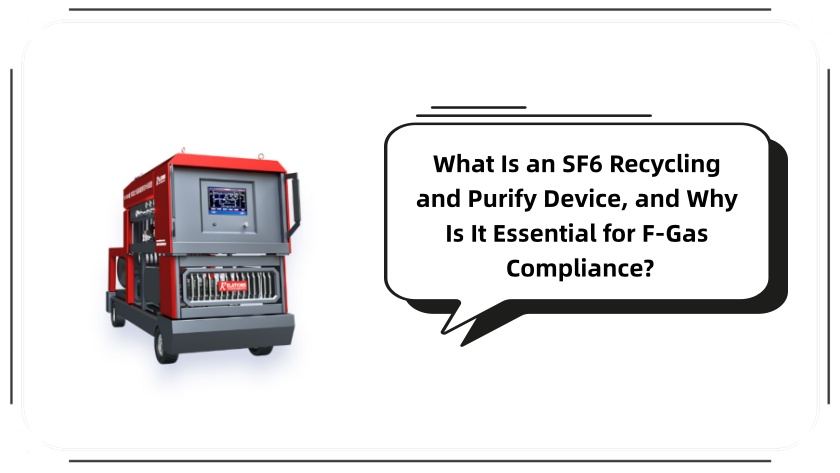
An SF6 recovery and treatment equipment for power grids system solves both problems by:
Recovering >99% of SF₆ from high-voltage assets
Purifying gas to meet IEC 60480 reuse standards
Enabling closed-loop recycling—cutting virgin gas purchases by 40–70%
This isn’t just eco-friendly—it’s operationally essential.
Core Capabilities of Modern Recovery & Treatment Systems
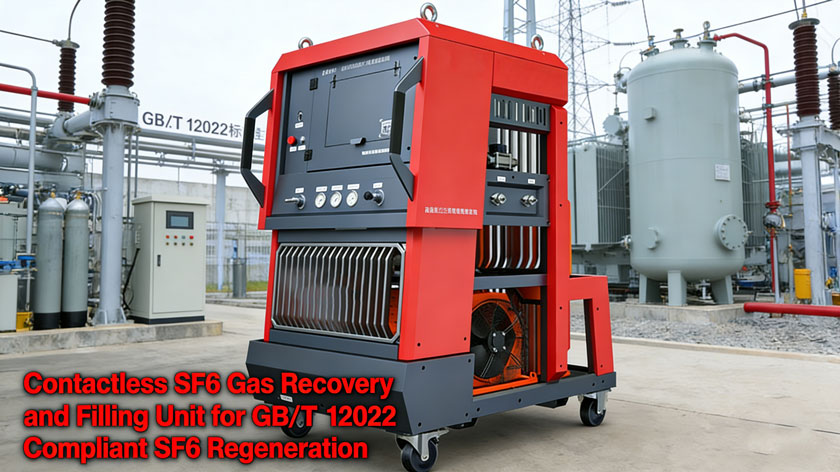
Trusted SF6 recovery and treatment equipment for power grids integrates four critical functions:
1. High-Vacuum Recovery
Multi-stage compressors extract SF₆ down to <1 mbar, ensuring minimal residual gas—even in complex GIS layouts.
2. Advanced Filtration
Removes:
Moisture (<10 ppm H₂O) via molecular sieves
Oil and particles through coalescing filters
Toxic decomposition products (HF, SO₂) using chemical absorbents
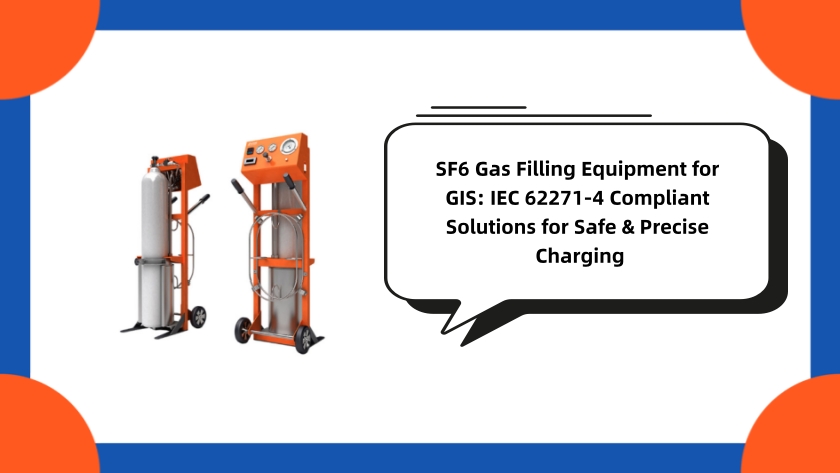
3. Onboard Storage & Re-filling
High-pressure cylinders (up to 300 bar) allow immediate reuse without atmospheric exposure.
4. Digital Logging & Certification (Premium Models)
Records recovery volume, purity, operator ID, and asset tag—generating audit-ready PDF reports aligned with NGCP, TNB, or ISO 14001 requirements.
Regulatory and Business Drivers
Global frameworks are accelerating adoption:
EU F-Gas Regulation: Bans venting; mandates certified recovery during servicing
U.S. EPA GHG Reporting Rule: Requires annual SF₆ emission tracking
ASEAN Energy Guidelines: Encourage best practices for SF6 lifecycle management
National Grid Codes: NGCP (Philippines), PLN (Indonesia), and others now require proof of proper gas handling before GIS commissioning
From a business standpoint, one mid-sized utility can save 15,000–30,000 annually by reusing purified SF₆ instead of buying new. More importantly, it avoids the ~11,750 tCO₂e impact of losing 500 kg of SF₆—equivalent to taking 2,500 cars off the road.
Best Practices for Maximum Impact
To ensure effectiveness:
Use only IEC 62271-4–certified technicians
Purify and test gas before re-filling critical assets
Integrate recovery logs into your CMMS or ESG platform
Require digital certificates for every maintenance job
Calibrate sensors and filters annually
Conclusion: Operational Excellence Meets Climate Responsibility
SF6 recovery and treatment equipment for power grids is the cornerstone of modern, accountable power infrastructure. It protects grid reliability, satisfies regulators, and delivers verifiable emission reductions—turning a high-risk gas into a managed asset.
For utilities serious about resilience and sustainability, investing in certified recovery technology isn’t just smart—it’s essential.
Leave A Message
Your email address will not be published. Required fields are marked *
More Articles