SF6 Gas Decomposition Product Detection for Substation GIS Maintenance Diagnostics 2026
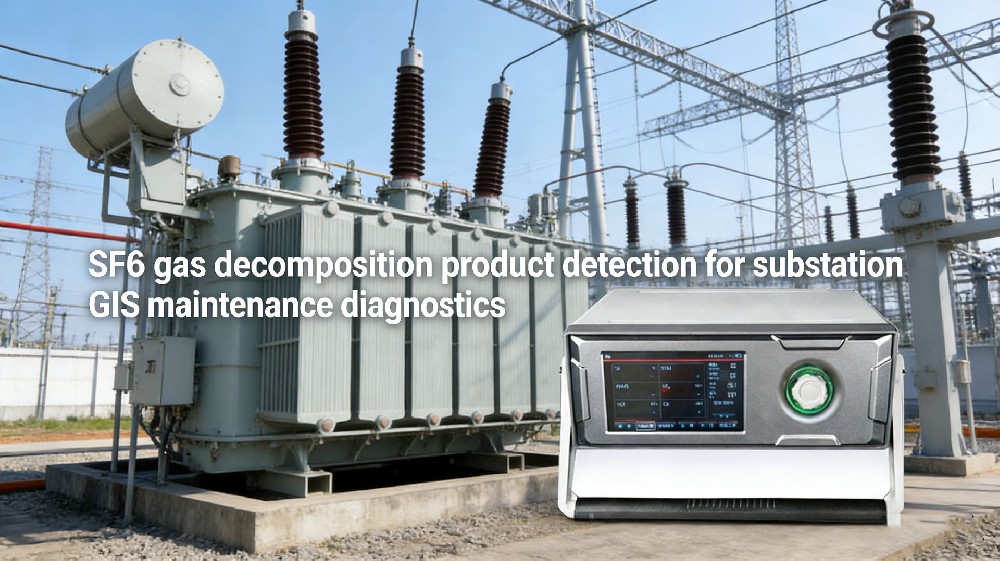
The stability of the global energy grid hinges on the health of its high-voltage infrastructure. As we move through 2026, the complexity of power systems—driven by renewable energy integration and increased load volatility—demands more sophisticated maintenance strategies. Central to this mission is the integrity of Sulfur Hexafluoride (SF6) gas within Gas-Insulated Switchgear (GIS).
The deployment of SF6 gas decomposition product detection for substation GIS maintenance diagnostics 2026 has moved from a specialized luxury to a fundamental industrial requirement. By leveraging high-precision, intelligent sensing, utilities can now predict internal faults with unprecedented accuracy, moving beyond traditional maintenance schedules to a proactive, data-driven paradigm.
1. The Critical Need for Gas Diagnostics in 2026
SF6 is a remarkable dielectric medium, prized for its ability to quench arcs and insulate high-voltage components in a compact footprint. However, the operational environment of a substation is dynamic. Partial discharges, spark discharges, and local overheating cause the SF6 molecule to dissociate.
When these dissociation events occur, the fragments react with trace moisture and oxygen to form stable, yet hazardous, decomposition byproducts. Identifying these chemical "fingerprints" is the essence of SF6 gas decomposition product detection for substation GIS maintenance diagnostics 2026.
The Indicators of Equipment Distress:
Sulfur Dioxide (SO2): A definitive indicator of arc discharge or spark discharge within the GIS chamber.
Hydrogen Sulfide (H2S): Often signals severe discharge involving the degradation of metallic contacts and moisture.
Carbon Monoxide (CO): A key marker for the overheating or decomposition of solid organic insulating materials (spacers and resins).
Without rigorous detection, these acidic byproducts can etch internal surfaces, leading to catastrophic dielectric failure and long-term asset damage.
2. Technical Breakthroughs in 2026 Diagnostics
The latest generation of SF6 gas comprehensive analyzers represents a fusion of laboratory-grade chemistry and field-ready intelligence. These instruments are designed to address the specific "pain points" of substation maintenance: data mismatch, manual entry errors, and flow instability.
A. Intelligent ID Identification and Data Handshaking One of the primary challenges in field maintenance is ensuring that measurement data is correctly linked to the specific asset being tested. Modern analyzers feature automatic ID identification, allowing for seamless data entry and pairing. This creates a digital thread for every piece of GIS equipment, facilitating long-term trend analysis—a cornerstone of 2026 maintenance standards.
B. Automated Flow and Pressure Regulation Sensor accuracy is highly dependent on a stable sample flow. Our newest analyzer incorporates an automatic flow regulation function. The system adjusts internal valves based on pre-set parameters, ensuring that the electrochemical and thermal conductivity sensors receive a consistent sample volume. Furthermore, inlet pressure detection protects the instrument from damage and alerts technicians if the GIS gas pressure is outside of safe operating norms.
C. Expert Diagnostic Logic and Compliance In 2026, the analyzer does more than just display numbers; it provides actionable intelligence. The system automatically compares measurement results against national and international standards (such as State Grid or Southern Grid standards). It performs an automatic diagnosis of the equipment’s health and prompts the operator with recommended adjustment measures on-site.
3. Comprehensive Technical Specifications: A Multi-Sensor Approach
The efficacy of SF6 gas decomposition product detection for substation GIS maintenance diagnostics 2026 rests on its ability to monitor multiple parameters simultaneously. This "all-in-one" approach provides a holistic view of the GIS environment.
SF6 Purity
Detection Principle: Thermal Conductivity (TCD)
Range: 0 to 100% (Volume Ratio)
Maximum Error: ±0.5%
Humidity (Dew Point)
Detection Principle: Resistive-Capacitive
Range: -60 to +20 degrees Celsius
Maximum Error: ±2 degrees Celsius
Sulfur Dioxide (SO2)
Detection Principle: Electrochemical
Range: 0 to 100 microliters per liter
Maximum Error: 0.5 microliters per liter (for range 0-10); 5% (for range 10-100)
Hydrogen Sulfide (H2S)
Detection Principle: Electrochemical
Range: 0 to 100 microliters per liter
Maximum Error: 0.5 microliters per liter (for range 0-10); 5% (for range 10-100)
Carbon Monoxide (CO)
Detection Principle: Electrochemical
Range: 0 to 500 microliters per liter
Maximum Error: ±2 microliters per liter (for range 0-50); ±4% (for range 50-500)
4. Operational Efficiency: Data Export and Cloud Integration
In the modern Smart Grid ecosystem, data is as valuable as the electricity it helps deliver. The 2026 SF6 gas analyzer is built for this digital reality:
One-Click Data Export: Technicians can export measurement data instantly in standardized templates (State Grid/Southern Grid), significantly reducing the administrative burden of report generation.
Customized Data Upload: To support Big Data analytics, the device can be customized to upload data directly to centralized asset management platforms. This allows headquarters-based engineers to perform fleet-wide comparisons and predictive failure modeling.
Automatic Measurement Mode: To conserve gas and time, the analyzer can terminate measurements automatically once stable data is achieved, alerting the technician with an alarm.
5. Applications Across Vital Industries
While primary designed for power utilities, the versatility of this diagnostic tool makes it indispensable across several high-stakes sectors:
Power Utilities: Routine health checks of GIS, circuit breakers, and transformers to ensure grid stability.
Railway Traction Stations: Ensuring the reliability of power equipment in high-vibration and high-frequency switching environments.
Petrochemicals: Monitoring high-voltage switchgear in corrosive or hazardous environments where gas purity is critical for explosion protection.
Electrical Manufacturing: Serving as the final quality control check during the production and filling of new SF6-insulated components.
Conclusion: The New Standard for Field Diagnostics
The SF6 gas decomposition product detection for substation GIS maintenance diagnostics 2026 is the key to unlocking a more reliable and resilient power grid. By combining high-precision electrochemical sensing with intelligent data management and automated diagnostic logic, this analyzer empowers technicians to make critical decisions with absolute confidence.
As we face the energy challenges of the future, possessing the tools to see "inside" the gas chamber through chemical analysis is no longer an option—it is the gold standard for substation maintenance.
Leave A Message
Your email address will not be published. Required fields are marked *
More Articles